Skip to content

30+ Years of Dealership & Manufacturer Expertise - Approved Academy
dealeruni.com
  • Home
  • Dealer License
  • Get LLC
  • Bonds & Resources
  • Help

30+ Years of  Expert Retail Dealer Operations and Manufacturer Experience - Approved Course

dealeruni.com
  • Home
  • Courses

DMV – New Dealer Occupational License Course (CA) 6 Hour Course

Curriculum

  • 11 Sections
  • 106 Lessons
  • 12 Weeks
Expand all sectionsCollapse all sections
  • Section 1: Welcome and Table of Contents & Recent Occupational Licensing Rule Changes and Reminders
    11
    • 1.1
      Welcome
    • 1.2
      1.1 DMV Online Occupational Licensing Portals
    • 1.3
      1.2 Electronic Records
    • 1.4
      1.3 Business Hours / By Appointment Only
    • 1.5
      1.4 Privacy Disclosure Rules
    • 1.6
      1.5 Sales Tax Due to DMV at Time of Transfer
    • 1.7
      1.6 Temporary License Plates (TLP) Attachment Problems and Solutions
    • 1.8
      1.7 Assembly Bill 516 – Online ROS
    • 1.9
      1.8 AB 1274: Smog Exemption Extended to 8 Model Years
    • 1.10
      1.9 Reminders – Changes 2018 and Older
    • 1.11
      Section 1 Quiz
      4 Questions
  • Section 2: Car Buyer's Bill of Rights
    6
    • 2.1
      2.1 The Car Buyer’s Bill of Rights (AB 68)
    • 2.2
      2.2 Vehicle Condition Forms
    • 2.3
      2.3 “Certified” Used Vehicle Advertising Rule under the Car Buyer’s Bill of Rights
    • 2.4
      2.4 Finance Charge Limits between 2% and 2.5%
    • 2.5
      2.5 Bill of Rights Kit
    • 2.6
      Section 2 Quiz: Car Buyer’s Bill of Rights
      6 Questions
  • Section 3: Dealer Bonds, Title and Registration Procedures
    14
    • 3.1
      3.1 $50,000 Dealer Bond
    • 3.2
      3.2 Exceptions: $10,000 Bond
    • 3.3
      3.3 Bond Company Recommendations
    • 3.4
      3.5 E-Mail Alert System
    • 3.5
      3.7 Completing Titles for Transfer
    • 3.6
      3.8 Other Transfer Requirements
    • 3.7
      3.9 Power of Attorney
    • 3.8
      3.10 Registration Fees
    • 3.9
      3.11 Out-of-State Deliveries
    • 3.10
      3.12 Out of Country Sales
    • 3.11
      3.13 Administrative Service Fees (“ASF”)
    • 3.12
      3.14 Reports of Sale
    • 3.13
      3.15 Other DMV Registration and Miscellaneous Forms
    • 3.14
      📂 SECTION 3 Quiz : Dealer Bonds, Title and Registration Procedures
      5 Questions
  • Section 4: Main & Branch Location Requirements, Off-site Displays, Temporary Branches
    5
    • 4.1
      4.1 Location Requirements
    • 4.2
      4.2 Branch Locations
    • 4.3
      4.3 Off-Site Vehicle Displays
    • 4.4
      4.4 Temporary Branch Locations
    • 4.5
      Section 4 Quiz: Main & Branch Location Requirements, Off-site Displays, Temporary Branches
      2 Questions
  • Section 5: Auto Brokers
    8
    • 5.1
      5.1 Auto Broker’s: Endorsement, Log, Agreement
    • 5.2
      5.2 Deposits and Refunds
    • 5.3
      5.3 Trust Account
    • 5.4
      5.4 Brokering Agreement and Fee; Licensed Retail Dealers Only
    • 5.5
      5.5 Advertising INSTRUCTOR SCRIPT: Autobrokers must comply with specific advertising rules. When advertising your brokering services, you must clearly identify yourself as a broker. You cannot advertise in a way that makes consumers believe you are selling vehicles from your own inventory when you’re actually brokering vehicles from other dealers’ inventories. Transparency is the key principle. You cannot advertise a specific vehicle at a specific price unless you have a written agreement with a selling dealer to provide that vehicle at that price. Advertising a vehicle you don’t have and can’t guarantee is misleading. If a customer responds to your ad, comes to your dealership, and you can’t deliver the advertised vehicle at the advertised price, you’ve engaged in deceptive advertising — and potentially bait-and-switch tactics, which we’ll cover in Section 9. All advertising by autobrokers must include your dealer license number and disclose that you are a broker. This applies to all advertising channels — newspaper, online, radio, television, social media, third-party listing sites. If you run an ad that says “2024 Toyota Camry — $28,000” without disclosing that you’re a broker and that the vehicle is at another dealer’s location, that’s a problem.
    • 5.6
      5.6 Consignment
    • 5.7
      5.7 Conditional Sales Contract; Requirements
    • 5.8
      Section 5 Quiz: Auto Brokers
      5 Questions
  • Section 6: Motor Vehicle Financing & Sales and Use Tax
    11
    • 6.1
      6.1 Terms of Financing
    • 6.2
      6.2 Computing Interest Rates
    • 6.3
      6.3 A.P.R.
    • 6.4
      6.4 Computing Monthly Payments
    • 6.5
      6.5 Truth in Lending
    • 6.6
      6.6 Contract Not Executed
    • 6.7
      6.7 Breach of Conditional Sales Contract
    • 6.8
      6.8 Repossession
    • 6.9
      6.9 Foreign Language Contracts
    • 6.10
      6.10 Sales and Use Tax
    • 6.11
      Section 6 Quiz
      5 Questions
  • Section 7: History Disclosure, Odometers & Safety Equipment Vehicle
    12
    • 7.1
      7.1 Condition of Vehicle: Known Damage, Re-manufactured INSTRUCTOR SCRIPT: As a dealer, you have an affirmative obligation to disclose known material facts about the condition of every vehicle you sell. This isn’t just about being honest — though it is that too — it’s a legal requirement. If you know a vehicle has been in a significant accident, has frame damage, has flood damage, has been re-manufactured, or has any other material condition that would affect a reasonable buyer’s decision to purchase, you must disclose it. The key word is “known.” You must disclose what you know. Now, the question becomes: what are you expected to know? As a professional dealer, you are held to a higher standard than a private party seller. You’re expected to conduct reasonable inspections of the vehicles you sell. If a vehicle shows obvious signs of prior damage — mismatched paint, uneven panel gaps, welding marks on structural components — and you didn’t notice because you never looked, a court may find that you “should have known” and treat it the same as actual knowledge. Re-manufactured vehicles — sometimes called rebuilt or reconstructed vehicles — carry specific disclosure obligations. If a vehicle’s title is branded as salvage, rebuilt, or re-manufactured, that brand must be disclosed to the buyer in writing. Simply hoping the buyer notices the brand on the title isn’t sufficient. You must affirmatively disclose it. The disclosure should be on a separate form that the buyer signs, acknowledging that they’ve been informed of the vehicle’s title status. 💡 Real-World Example A dealer purchases a vehicle at auction that looks clean — nice paint, good interior, runs well. The dealer doesn’t run a vehicle history report. The dealer sells it to a customer, who later discovers the vehicle was declared a total loss after a flood in another state. The title was “washed” — the salvage brand was removed when the vehicle was re-titled in a state with less rigorous title branding laws. The customer sues the dealer for failure to disclose. Even though the dealer didn’t know about the flood damage, the court may find the dealer was negligent for failing to run a basic vehicle history check — something a reasonably prudent dealer would do.
    • 7.2
      7.2 Vehicle History Disclosure
    • 7.3
      7.3 Odometers
    • 7.4
      7.4 Duty to Record Mileage
    • 7.5
      7.5 Unlawful Actions
    • 7.6
      7.6 Repossessed Vehicle Odometer Disclosure
    • 7.7
      7.7 Signatures
    • 7.8
      7.8 REG 262 Form (Vehicle/Vessel Transfer Form)
    • 7.9
      7.9 Division 12 Safety Equipment
    • 7.10
      7.10 Leased Vehicles / Wholesale between Dealers
    • 7.11
      7.11 Safety Equipment List
    • 7.12
      Section 7: Quiz
      3 Questions
  • SECTION 8: Smog Rules and Advertising
    11
    • 8.1
      8.1 Smog Requirements and Exceptions
    • 8.2
      8.2 Smog Certificate Duration
    • 8.3
      8.3 Smog Fee
    • 8.4
      8.4 Bureau of Automotive Repair (“BAR”)
    • 8.5
      8.5 Advertising; Definition, Misprints, Rules
    • 8.6
      8.6 Document Preparation Fee
    • 8.7
      8.7 Time Limits
    • 8.8
      8.8 Use of Terms
    • 8.9
      8.9 Cash vs. Credit
    • 8.10
      8.10 Buyers Guide & Foriegn Language Contracts
    • 8.11
      Section 8 Quiz
      5 Questions
  • SECTION 9: Warranties, Dealer Plates and Unlawful Acts
    17
    • 9.1
      9.1 Warranties; “Lemon Law”, 18 months/18,000 miles
    • 9.2
      9.2 Disclosure Statements
    • 9.3
      9.3 Warranty Returns
    • 9.4
      9.4 Implied Warranty of; Merchantability, Fitness
    • 9.5
      9.5 Express Warranty
    • 9.6
      9.6 Dealer Plates/”Special Plates” (use of)
    • 9.7
      9.8 Vehicle Delivery
    • 9.8
      9.7 Trailers
    • 9.9
      9.9 Misuse of Plates; Illegal Uses
    • 9.10
      9.10 Duration/Expiration/Penalty/Display
    • 9.11
      9.11 Lost Plates or Stickers
    • 9.12
      9.12 Tow Dollies
    • 9.13
      9.13 Unlawful Dealer Activities
    • 9.14
      9.14 “Bait and Switch”, “Bird Dog Fees”
    • 9.15
      9.15 Fraud
    • 9.16
      9.16 DMV Enforcement Actions
    • 9.17
      Section 9 Quiz
      4 Questions
  • SECTION 10: Avoid Buying a Stolen Vehicle and Helpful Tips and Advice
    20
    • 10.1
      10.1 Stolen Vehicles & Helpful Tips and Advice
    • 10.2
      10.2 Frequently Asked Questions
    • 10.3
      10.3 Corrections on Report of Sale Forms (REG 51)
    • 10.4
      10.4 “Unwind”, Void/Canceled Used Vehicle Report of Sale
    • 10.5
      10.5 Used Vehicle Rollbacks
    • 10.6
      10.6 Electronic Lien and Title (“ELT”)
    • 10.7
      10.7 Customer Demands Title
    • 10.8
      10.8 Multiple Transfers
    • 10.9
      10.9 Duplicate Title Application
    • 10.10
      10.10 Transfer of California Registration Only (Goldenrod Registration)
    • 10.11
      10.11 Transfer Only
    • 10.12
      10.12 Bonded Transfers
    • 10.13
      10.13 Non Resident Vehicle Transfers
    • 10.14
      10.14 Vehicles with Unavailable Records
    • 10.15
      10.15 Waiver of Fees and/or Penalties
    • 10.16
      10.16 Title Errors and Corrections
    • 10.17
      10.17 Temporary Operating Permit
    • 10.18
      10.18 Transporter Permit
    • 10.19
      10.19 DMV Forms
    • 10.20
      SECTION 10: Avoid Buying a Stolen Vehicle & Helpful Tips
      6 Questions
  • Wrap Up
    1
    • 11.1
      Wrap Up

10.1 Stolen Vehicles & Helpful Tips and Advice

Buying a stolen vehicle is one of the worst things that can happen to a dealer. You pay for the vehicle, invest in reconditioning, maybe even sell it to a customer — and then law enforcement shows up, seizes the vehicle, and you’re out the money. Worse, your customer is out a car, and you’re out the sale. You have no recourse against the thief, who’s long gone. This is a preventable problem, and prevention starts with diligence at the point of acquisition.

Here are the key steps you should take every time you acquire a vehicle. First, verify the Vehicle Identification Number. Physically inspect the VIN plate on the dashboard and compare it to the VIN on the title. Check the VIN on the federal safety certification label (on the driver’s door jamb). If these numbers don’t match, that’s a major red flag — the VIN plate may have been swapped from another vehicle. Look for signs of tampering: scratches around the VIN plate, rivets that don’t match the factory originals, a VIN plate that appears to have been pried up or replaced.
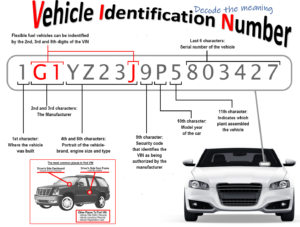
Second, run the VIN through NMVTIS, a vehicle history report service, and the National Insurance Crime Bureau’s VINCheck database. These databases will tell you if the vehicle has been reported stolen, if it has a salvage history, or if there are other red flags in its title history.

Third, verify the seller’s identity. Ask for government-issued photo identification and compare it to the name on the title. If the seller can’t produce ID, or if the ID doesn’t match the title, walk away. If the seller is in a rush, pressuring you to buy quickly without time for proper verification, walk away. Legitimate sellers don’t pressure you to skip due diligence.

💡 Real-World Example

A dealer bought a late-model truck from a private party at a price well below market value. The seller said he was going through a divorce and needed cash fast. The dealer didn’t run a vehicle history check and didn’t notice that the VIN plate rivets looked different from factory originals. Two weeks later, CHP detectives arrived at the dealership and seized the truck — it had been stolen from a dealership in Nevada, and the VIN plate had been replaced with one from a salvage vehicle. The dealer lost $28,000. A $30 vehicle history report would have revealed the discrepancy.

Fourth, be wary of title-washed vehicles. Title washing is the practice of moving a vehicle’s title through states with less rigorous title branding rules to remove salvage, rebuilt, or flood-damage brands. A vehicle that was declared a total loss in one state might show up with a clean title from another state. NMVTIS helps detect this because it consolidates title information from all states, but it’s not perfect. Look at the title’s origin — if a vehicle has been titled in multiple states in a short period, that’s a warning sign.

Fifth, trust your instincts. If a deal feels too good to be true, it probably is. A vehicle being offered well below market value with a vague explanation is a vehicle you should investigate thoroughly before buying.

Leave a Reply

Section 9 Quiz
Prev
10.2 Frequently Asked Questions
Next

Courses

Resources

Legal & Support

  • Privacy Policy

© 2026 Dealer University (TM)

Disclaimer:  Dealer University (TM) provides educational materials and training resources for informational purposes only. We do not provide legal, financial, tax, or accounting advice. For specific legal or financial guidance regarding your dealership operations, please consult with a qualified professional.

  • Home
  • Dealer License
  • Get LLC
  • Bonds & Resources
  • Help

Modal title

Main Content